General information
Location
District - Svatove district of Luhansk region
Community - Kolomyichykha rural hromada
City - Raihorodka village
street and app. number - 4 Konoplin Street
Raihorodka village, 4 Konoplin Street, Kolomyichykha village community, Svatove district, Luhansk region
Kind of cultural heritage
ArchaeologicalObject type
СonstructionsViolation type
information is clarifiedResearch zone
Luhansk regionObject history and violation description
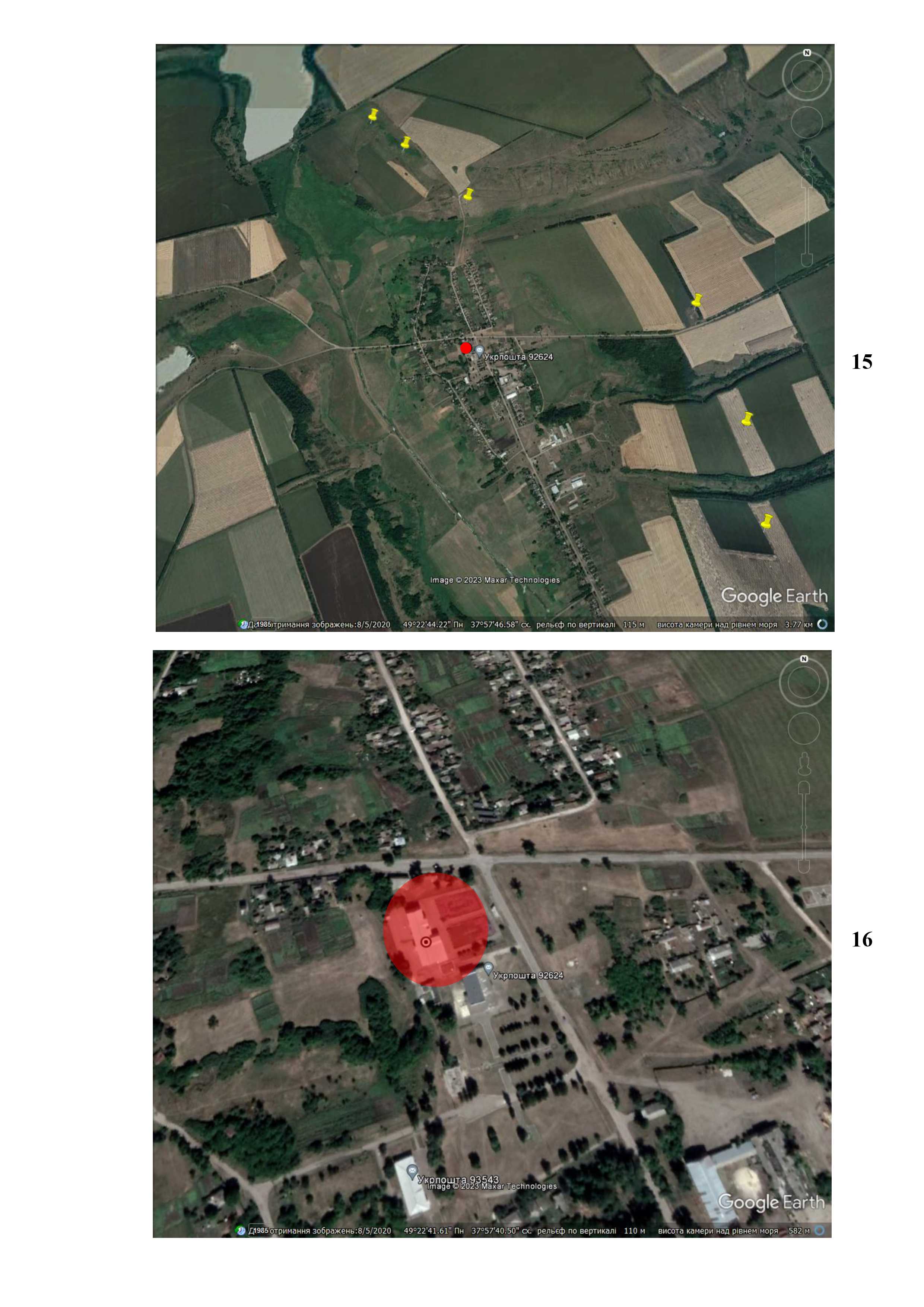
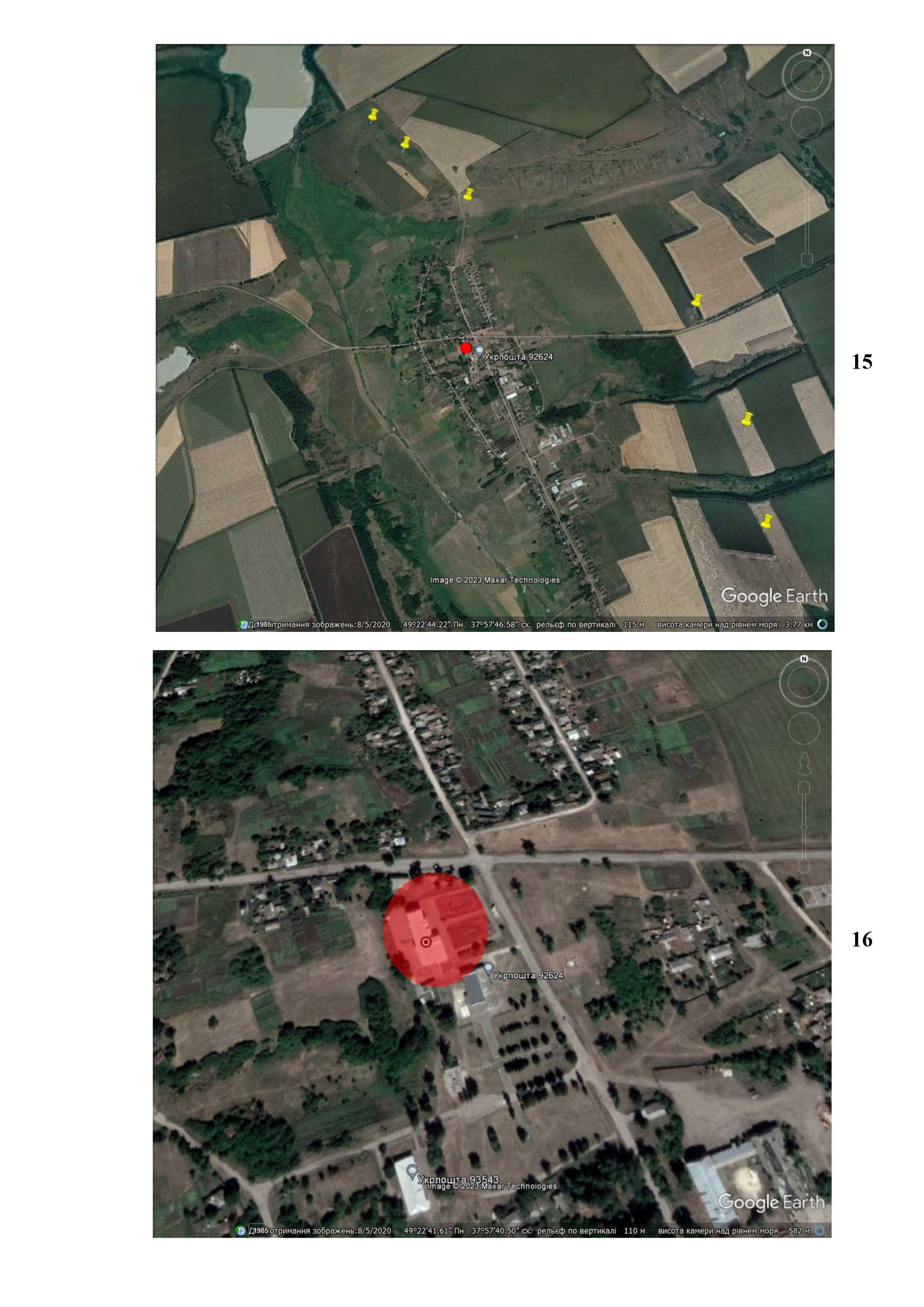
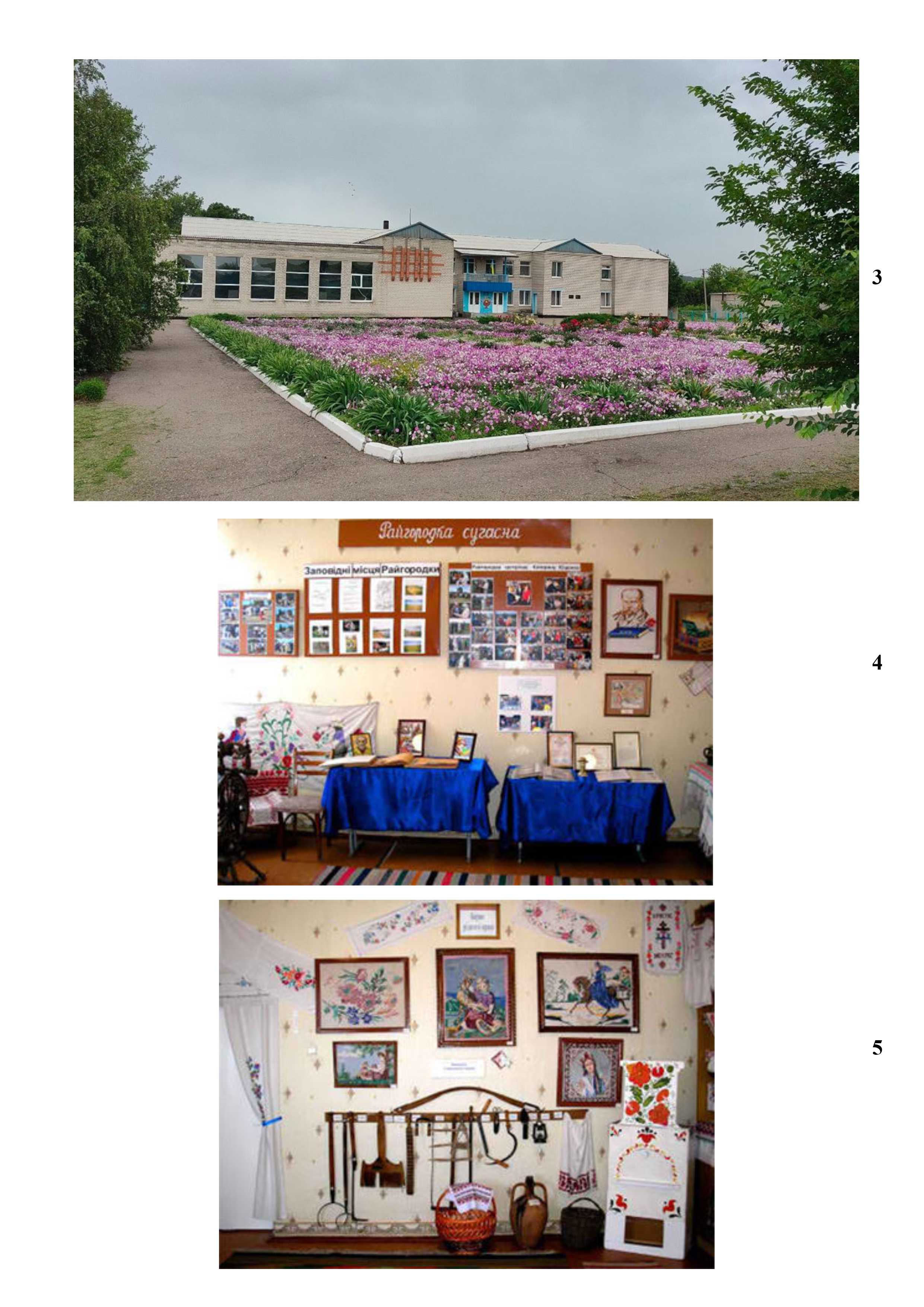
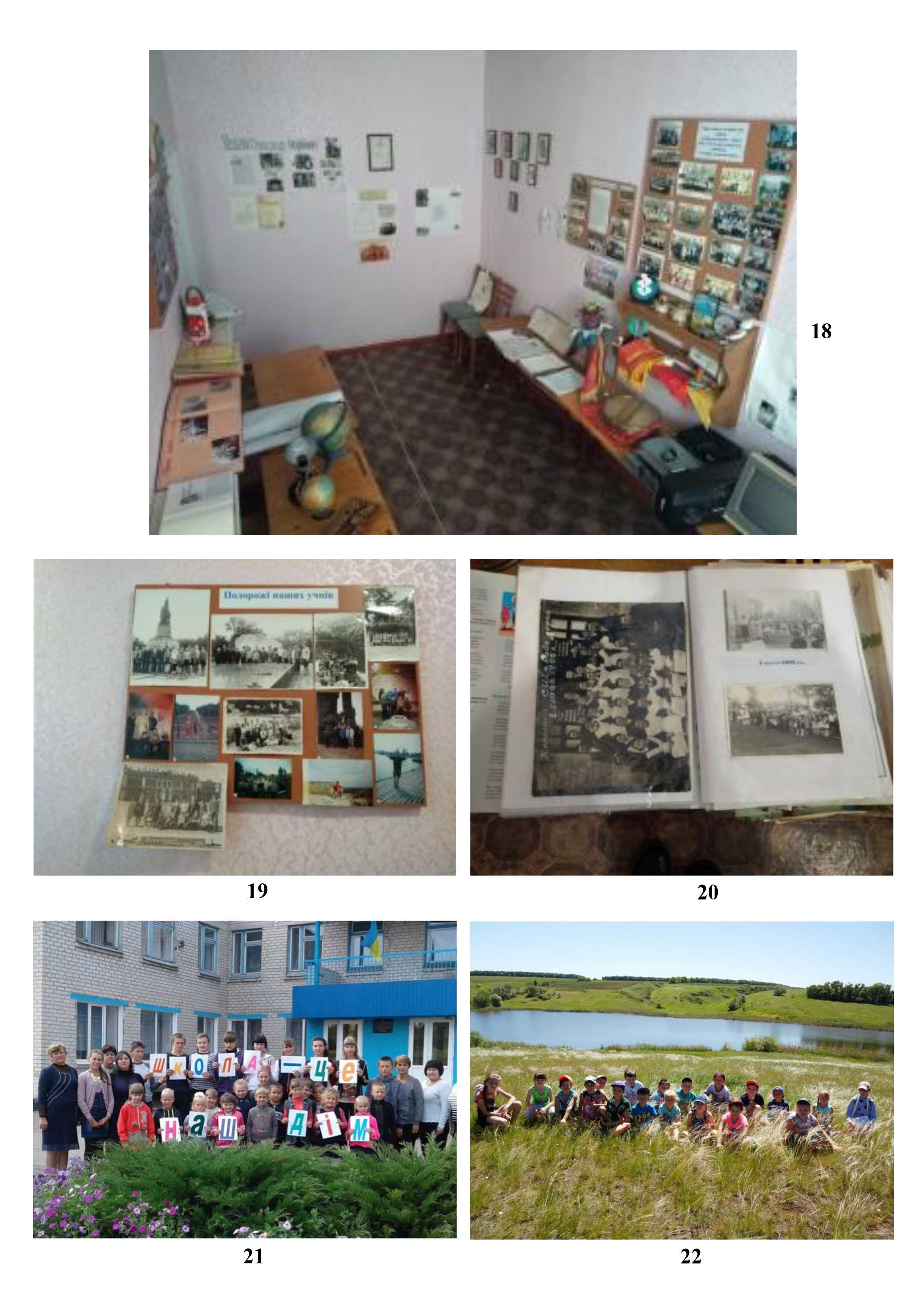
According to the information given in Wikipedia, the village was founded in 17871. According to the territorial and administrative structure, it belongs to the Kolomyichykha village community of Svatove district, Luhansk region. The village is located on the fluvial terrace of the left bank of the Zherebets river, whose watercourse runs 286–500 m to the west of the outer houses. The gymnasium building is situated in the central part of the village (1,2).
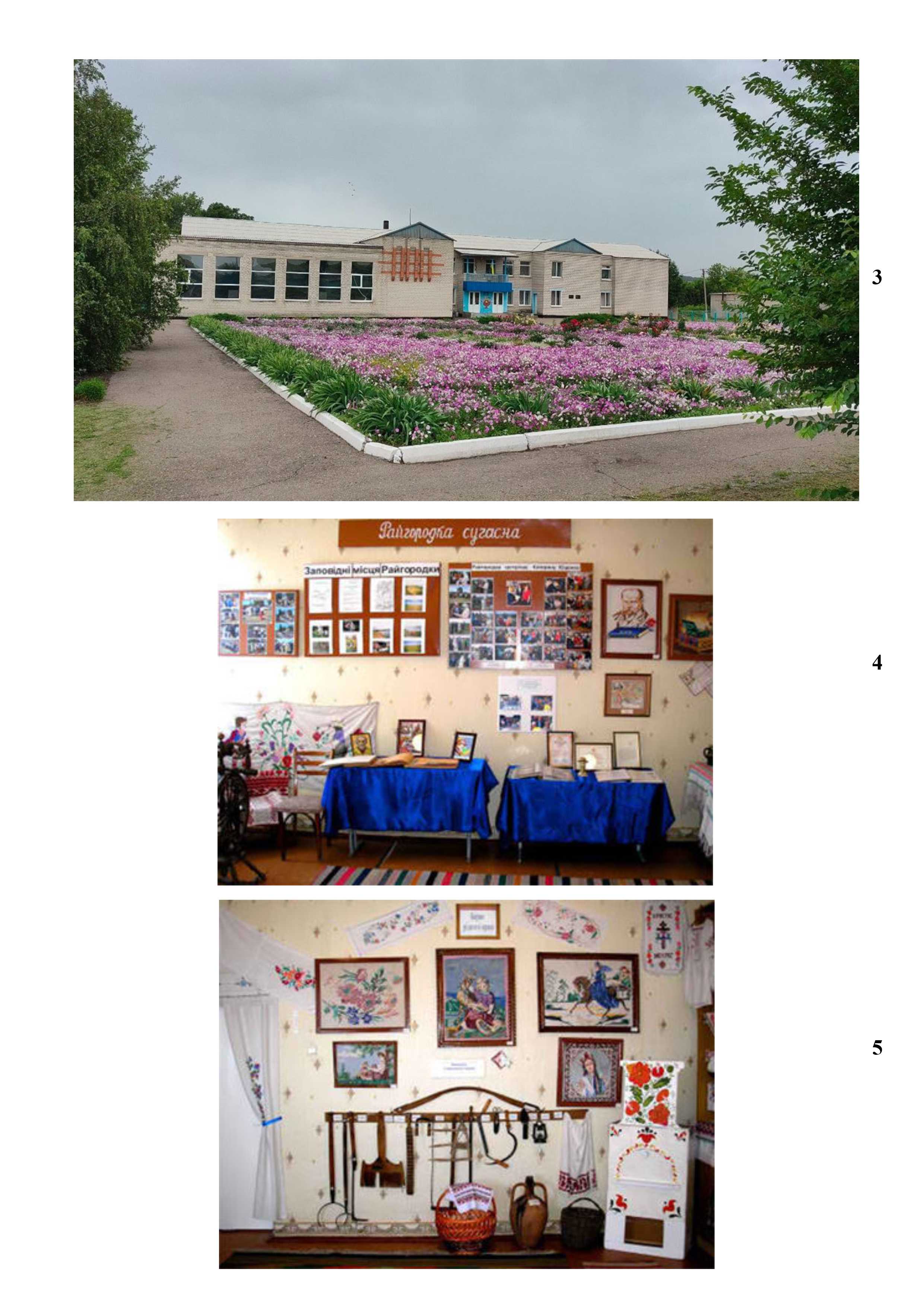
The gymnasium in Raihorodka village is housed in a two-story building erected in 1958 (3). Until a certain time (information is not available), it had the name Raihorodka Educational “Raihorodka Secondary School of I-II Grades – Preschool.” However, in 2020, the newly-created official website of the institution indicated the name “gymnasium.” Documents on the re-registration of the educational institution could not be found.
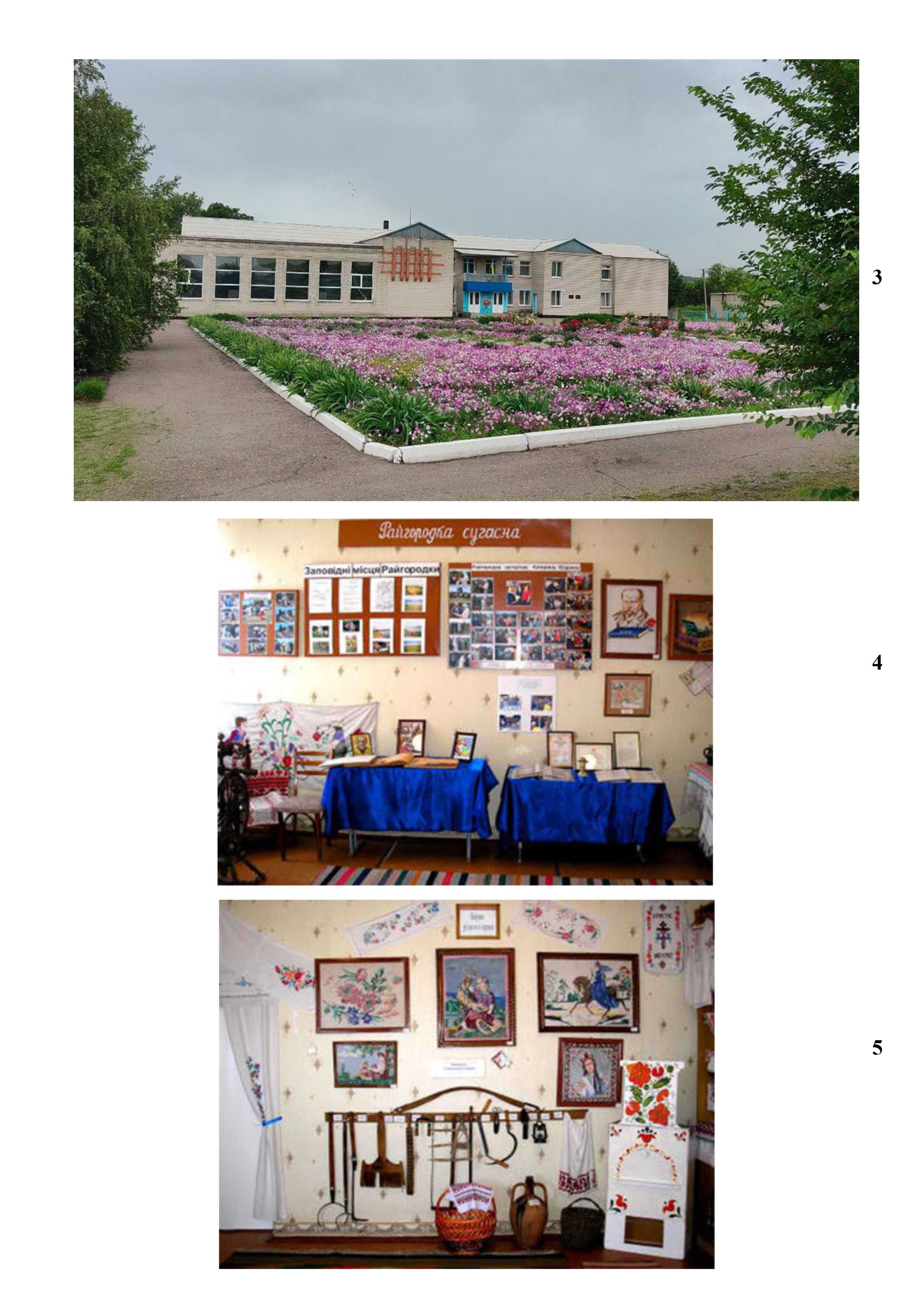
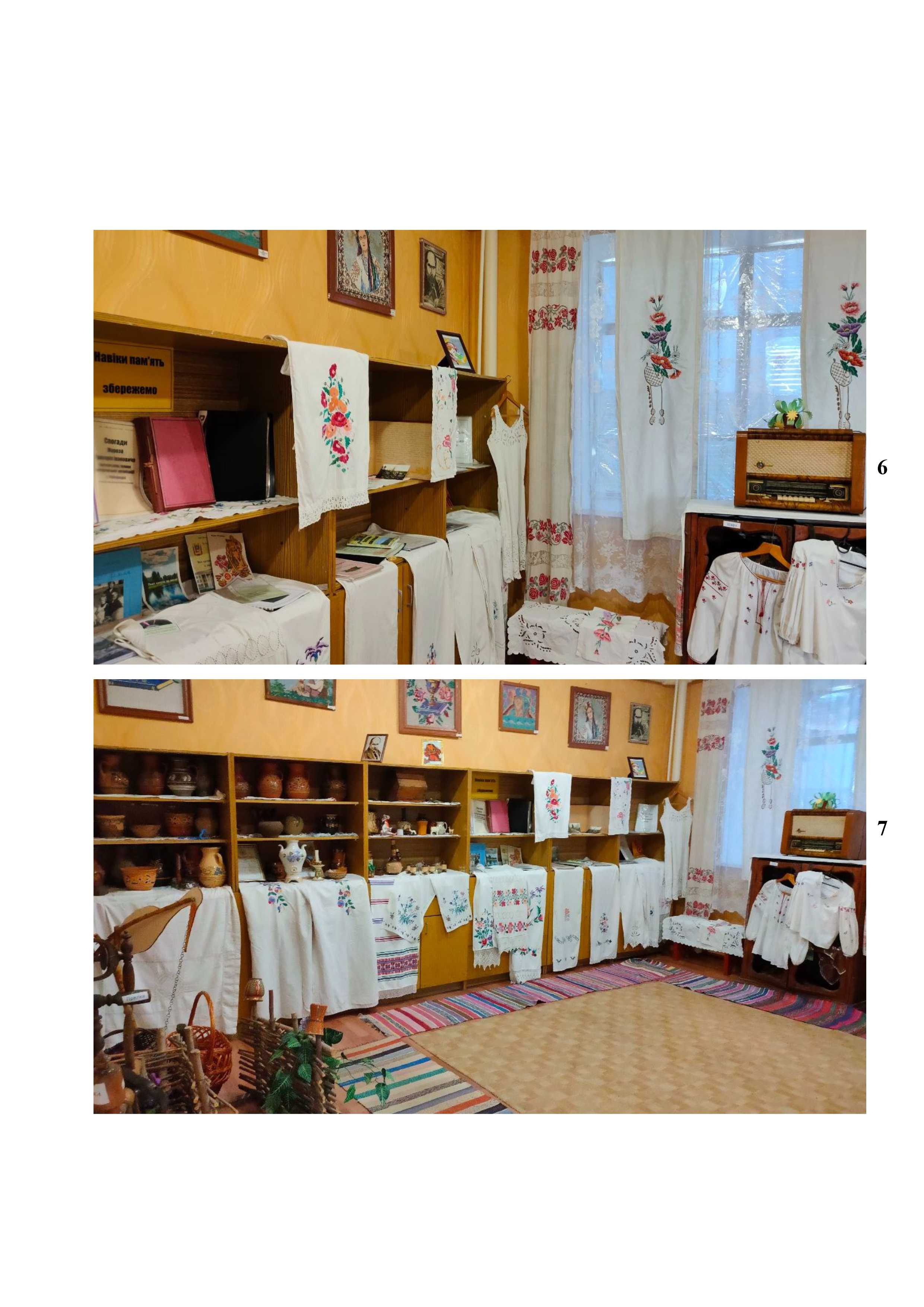
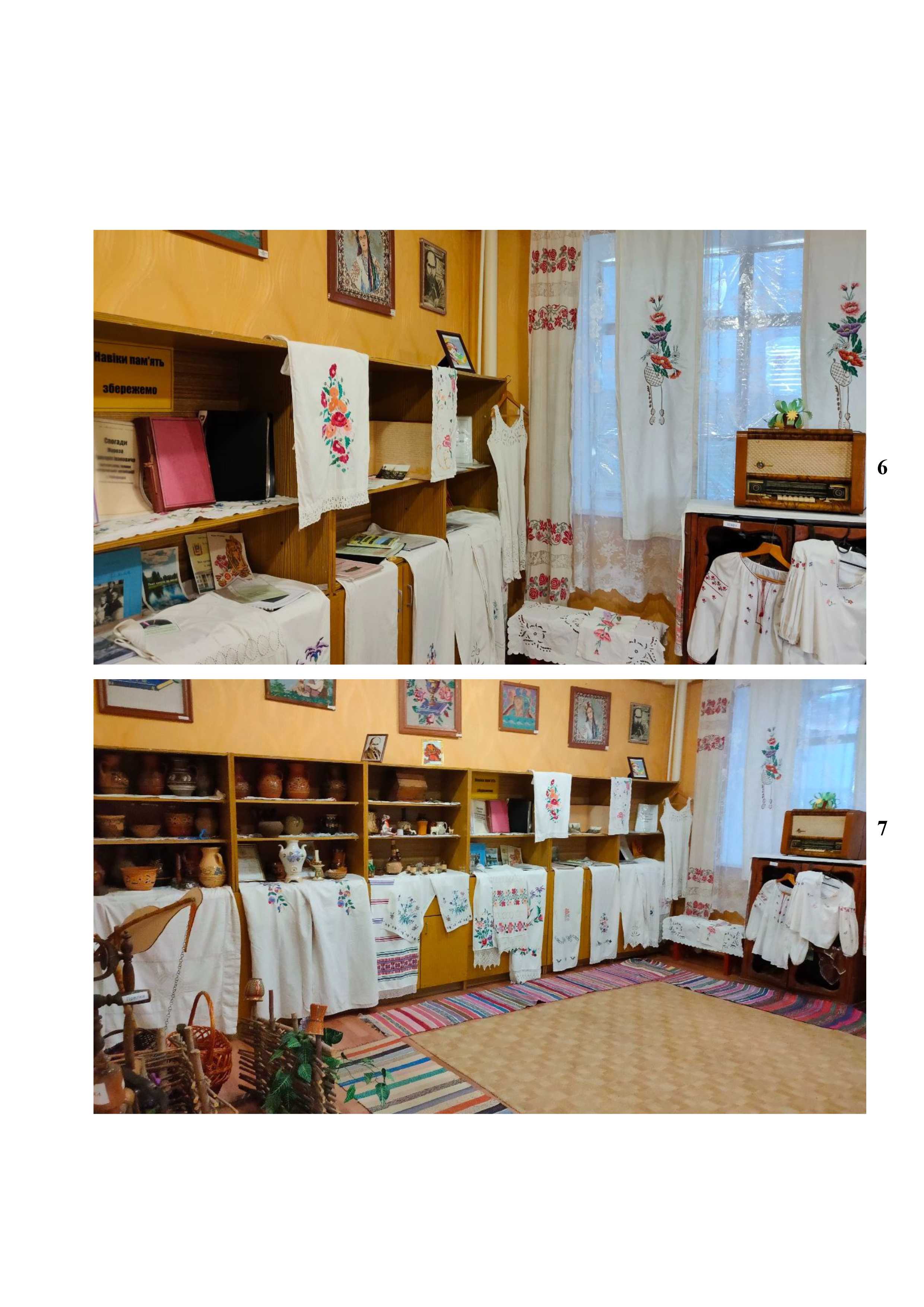
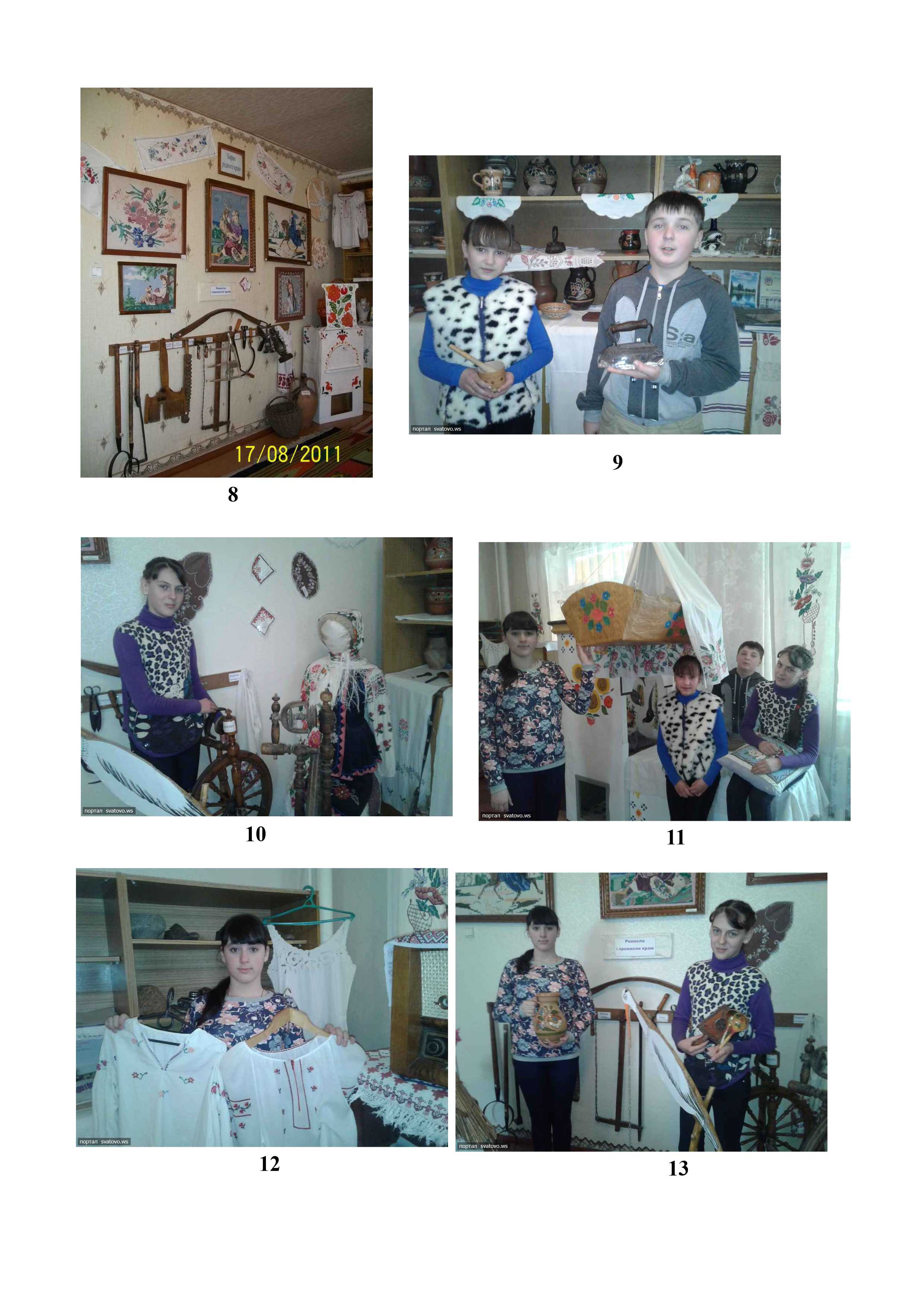
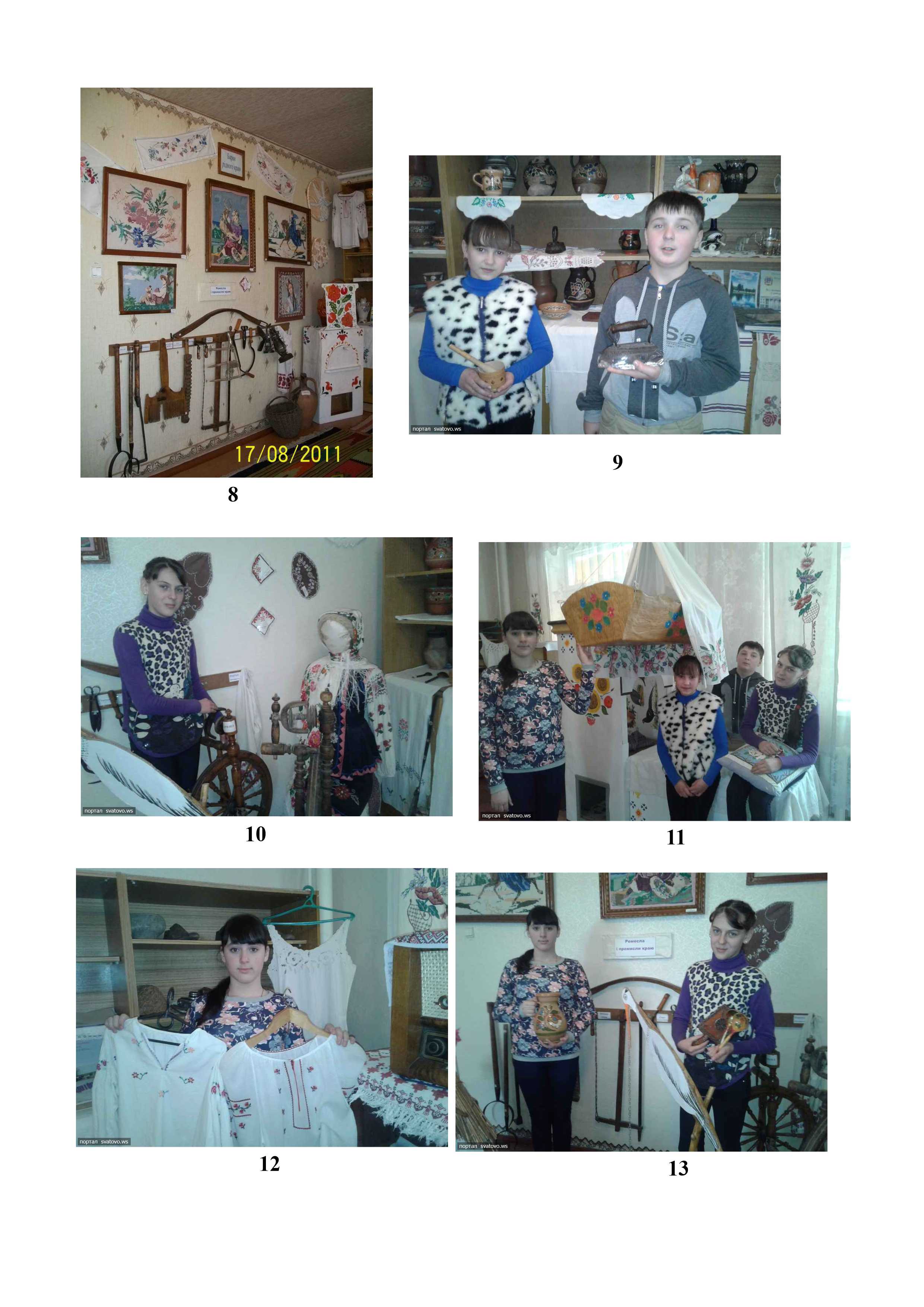
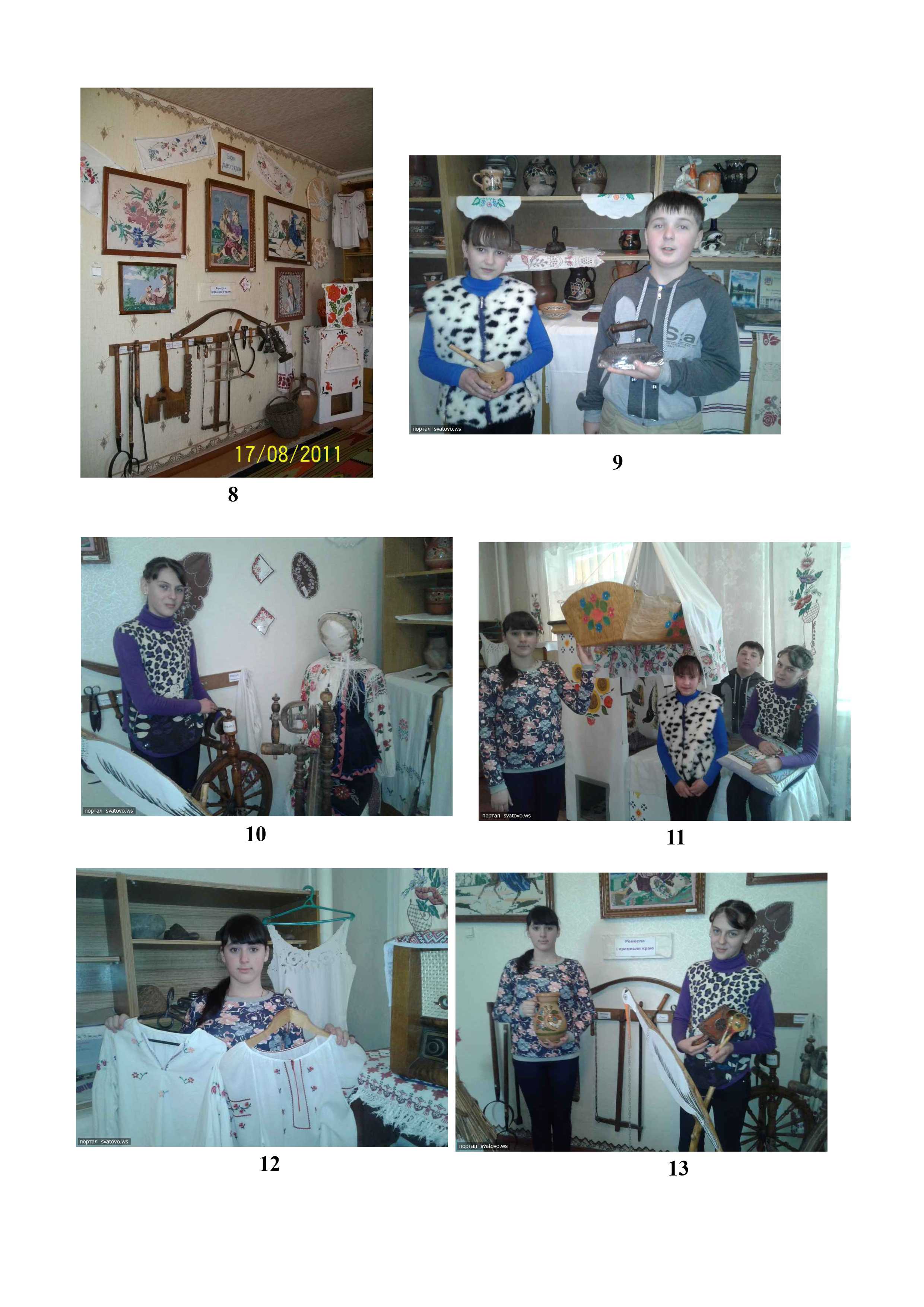
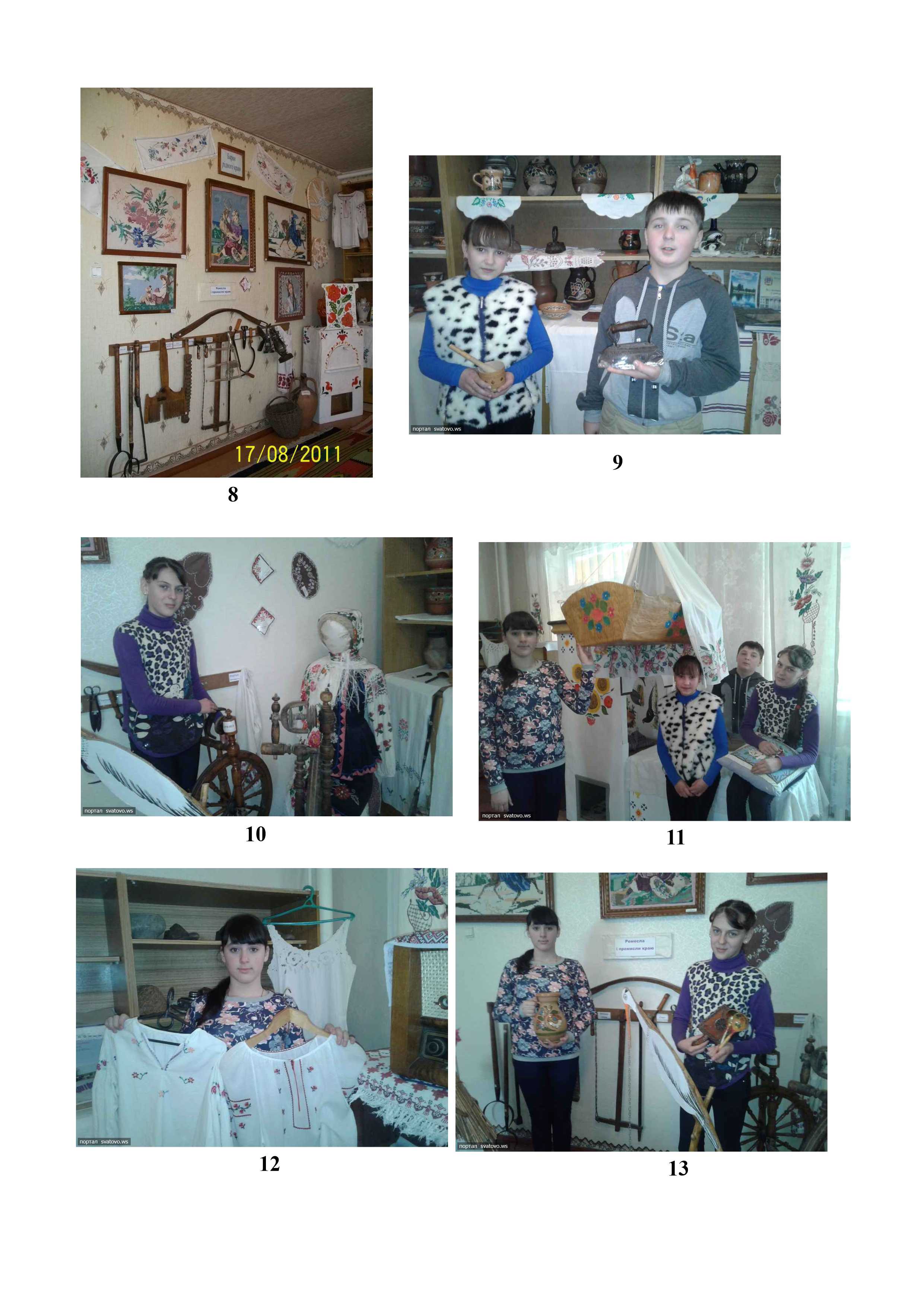
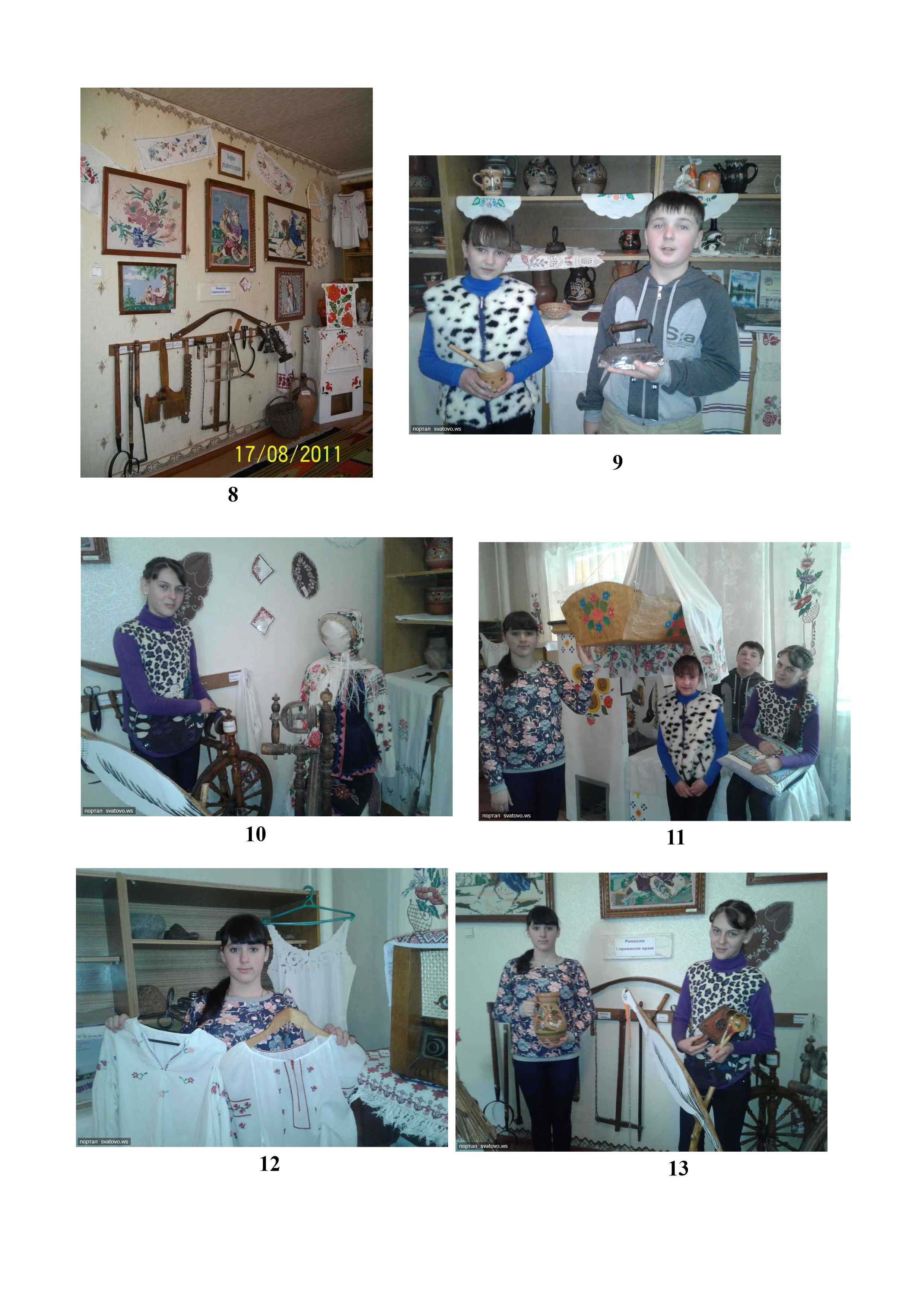
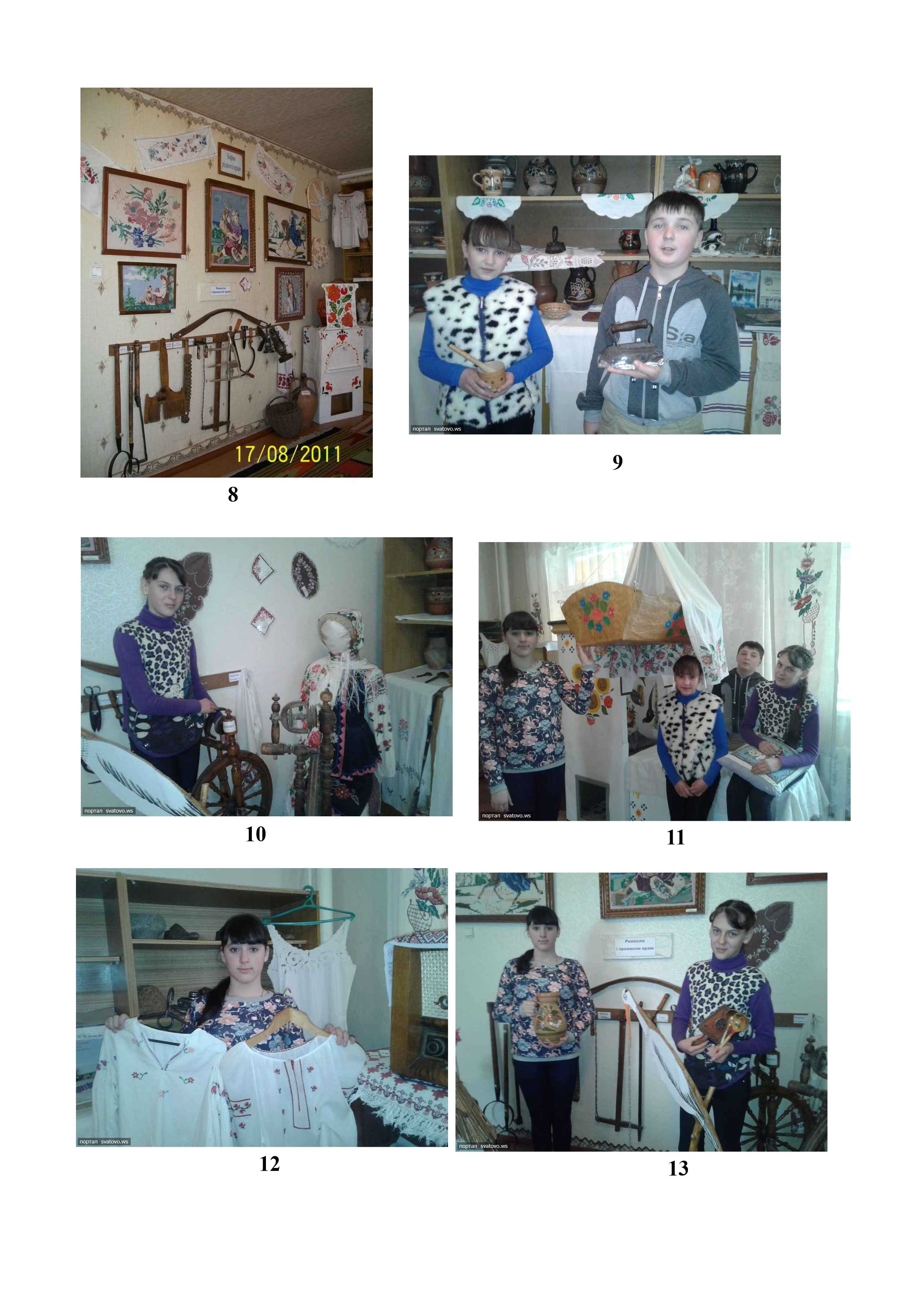
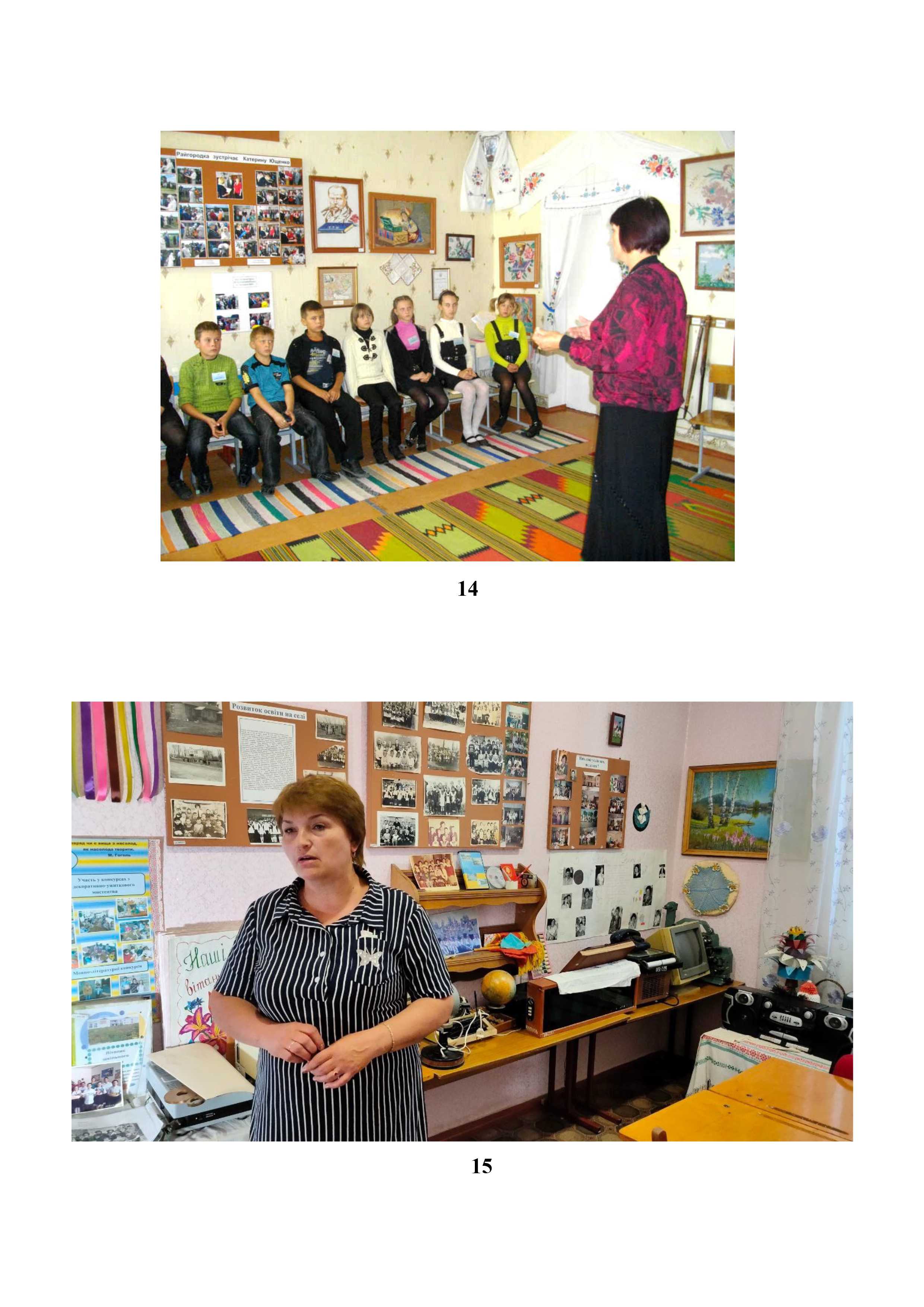
Since 2009, the museum of ethnography and history of the village has been operating at the gymnasium. It occupies two rooms: one contains exhibits about the history of Raihorodka village, and the other exhibits an exposition dedicated to the history of the Raihorodka school2,3. In the first room, the most interesting items are stored, represented by a collection of embroidered shirts and towels, as well as items of everyday use (spinning machines, combs for spinning, dishes, etc.) (4–14). As per the official website of the institution, “The search group was created at the museum, whose members have collected the exhibits that are now housed at the museum. Among the exhibits of the museum there are pottery (jugs, mugs, makitras [a big clay mixing bowl – translator’s note], glasses, bowls), wooden spoons. Visitors can get acquainted with labor tools, such as an oven fork, a fire iron, a scratcher, pliers, an ironing roller, a yoke, a combing brush, a sickle, a bow saw, a shoemaker's last, a wooden bench, spinning wheels. A resident of the village, A. Dobrohorskyi, presented the museum with a large mysnyk (a dish cabinet) in which dishes were previously stored. The labor education teacher made a mock-up of a children's hanging cradle and a mock-up of a stove, a well with a well sweep, and a hut.”4
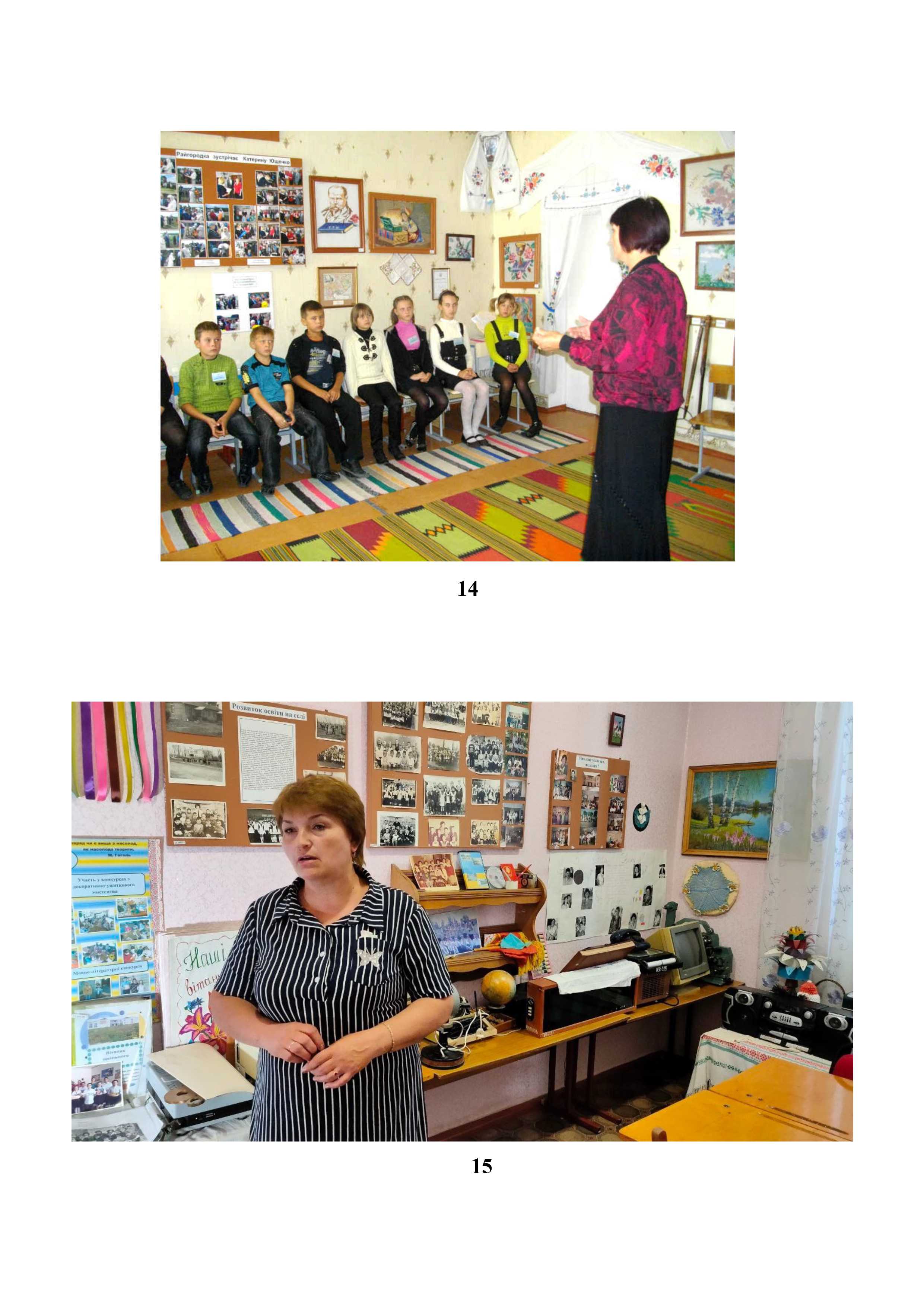
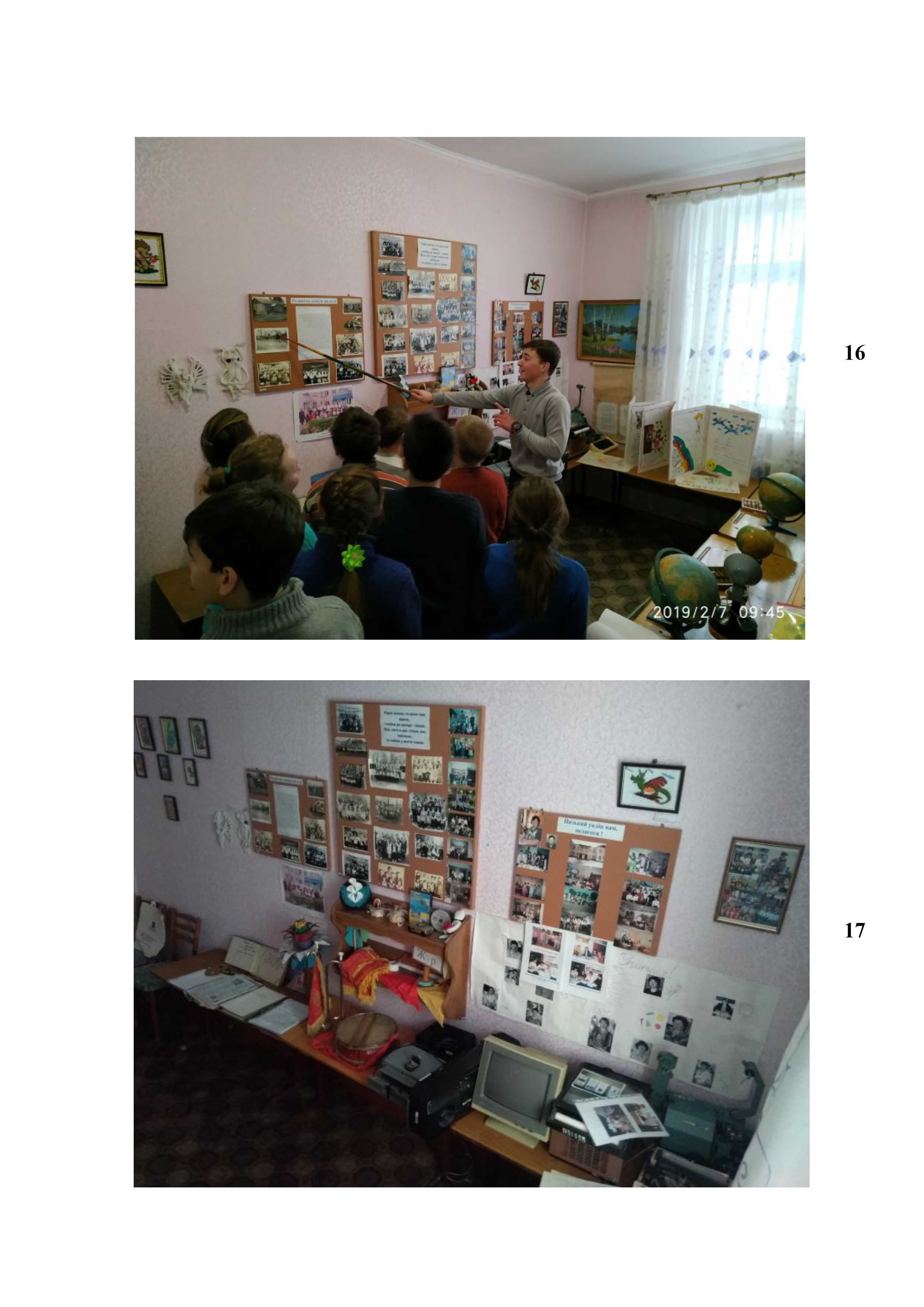
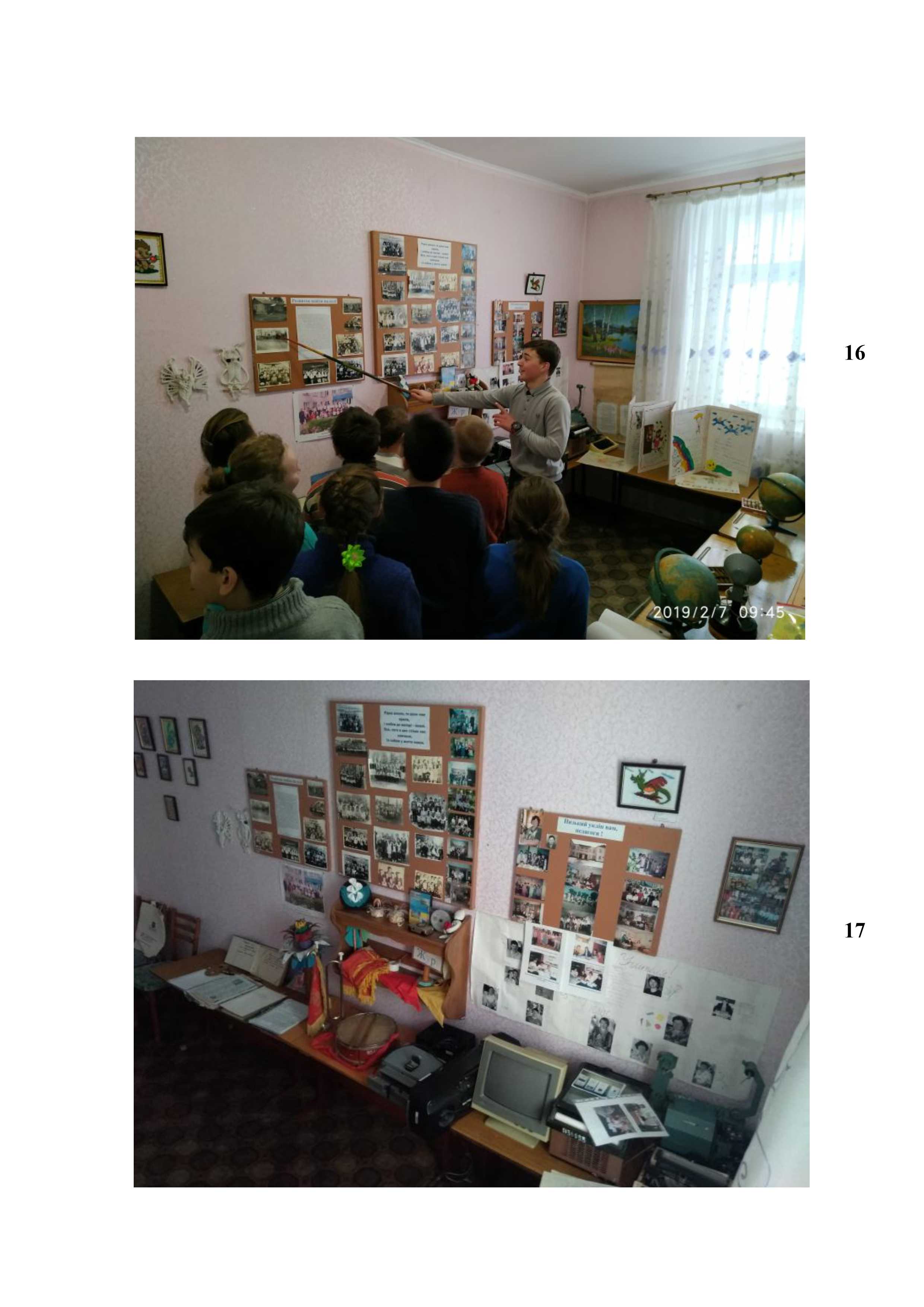
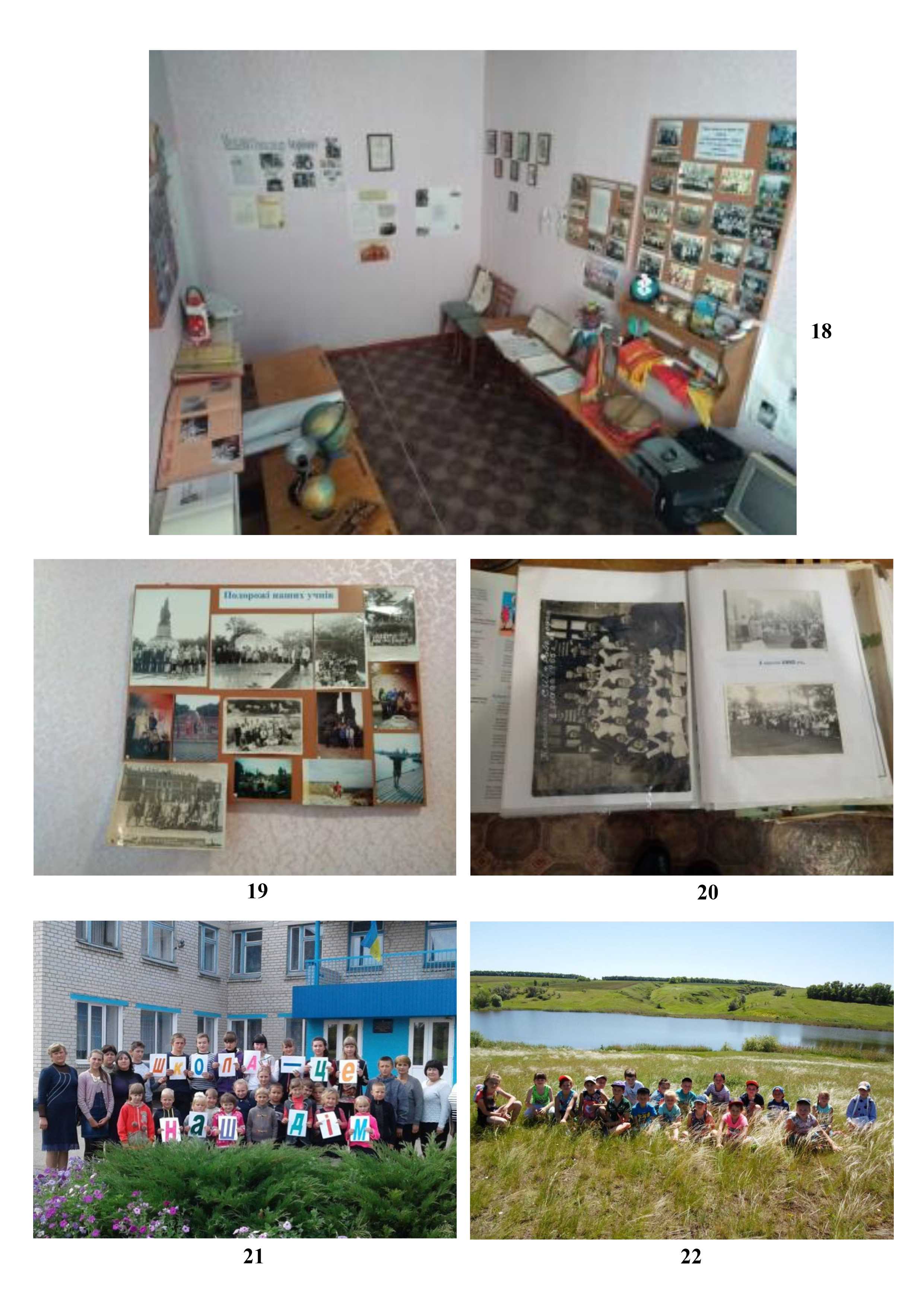
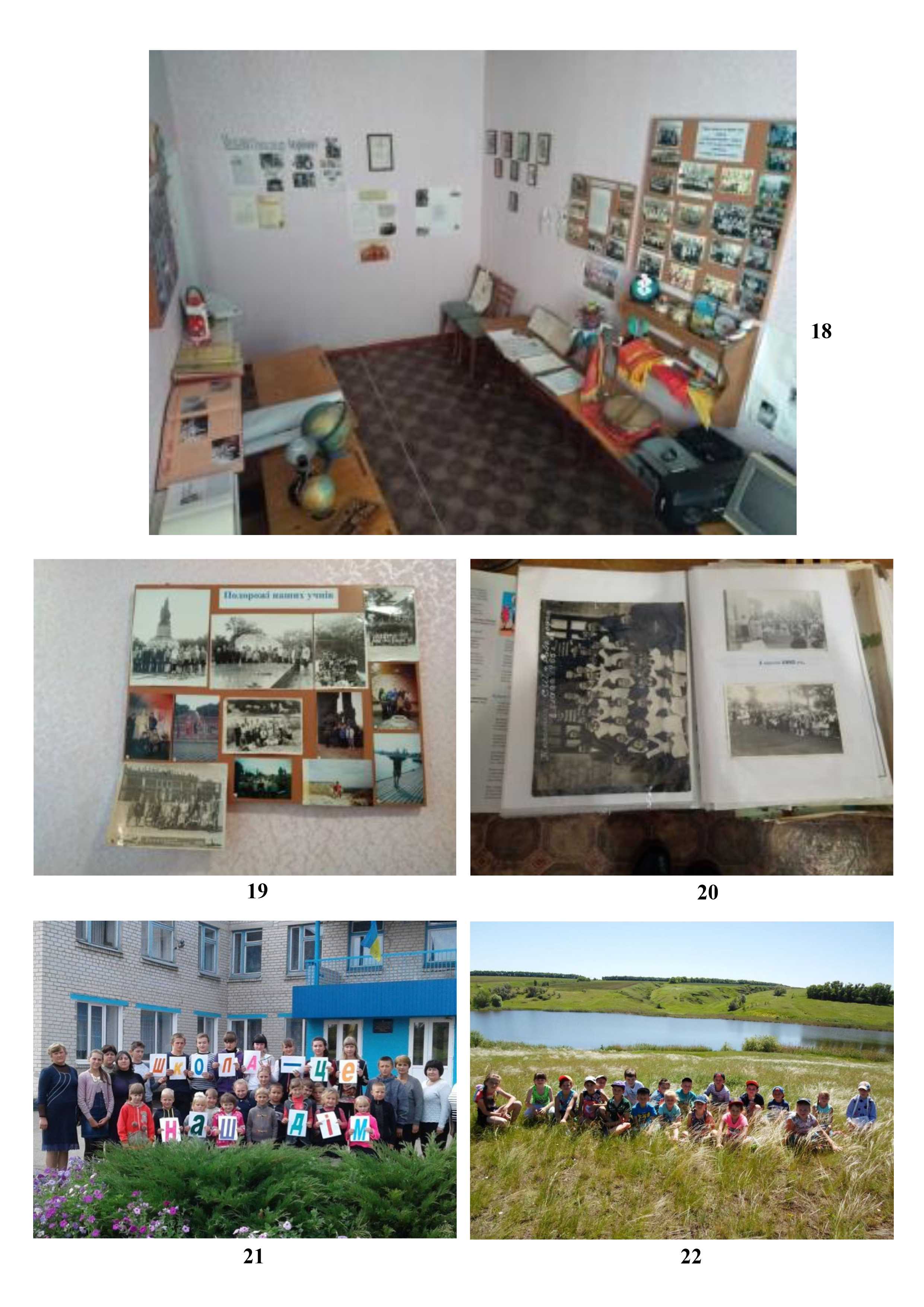
The second room of the museum is devoted to the history of the school and was called “Development of education in the village” (15–20). It stores a large number of photographic materials. The museum exhibits a typewriter and the first computer donated to the school, along with a filmoscope (a type of a slide projector), an overhead projector and a film projector. The room served as a venue for educational events, museum lessons, excursions, etc.
In 2022, the village was under Russian occupation. As a result of the Battle of Izium, which led to the liberation of Izium and later Kupiansk, the Ukrainian military pushed the Russian troops to the east. The village is currently controlled by the Ukrainian authorities, but the Russians continue shelling the area incessantly. Almost the entire village has been destroyed. During the last heavy shelling in the village, a teenage brother and his sister were killed6. It is highly likely that the gymnasium building, where the museum is located, will be damaged as a result of the hostilities.
Gallery
Additional files
information is clarified
Involved persons
information is clarified
Video gallery
information is clarified
Sources
information is clarified